
Malicious Package Protection
Identify and eliminate malicious open-source packages using the industry’s largest database.
Stop supply chain attacks at the source — before malicious code ever reaches your pipeline.
Reduce the Risks of Malicious Software Packages
Leverage Checkmarx’ automated scanning technologies and massive proprietary database of 550,000+ malicious packages to identify and remediate dangerous open-source code in your applications.
Real-Time Malicious Package Detection
Checkmarx detects all open-source packages in use, including dependencies of other packages, to identify those known to contain malware or exhibit suspicious behavior.
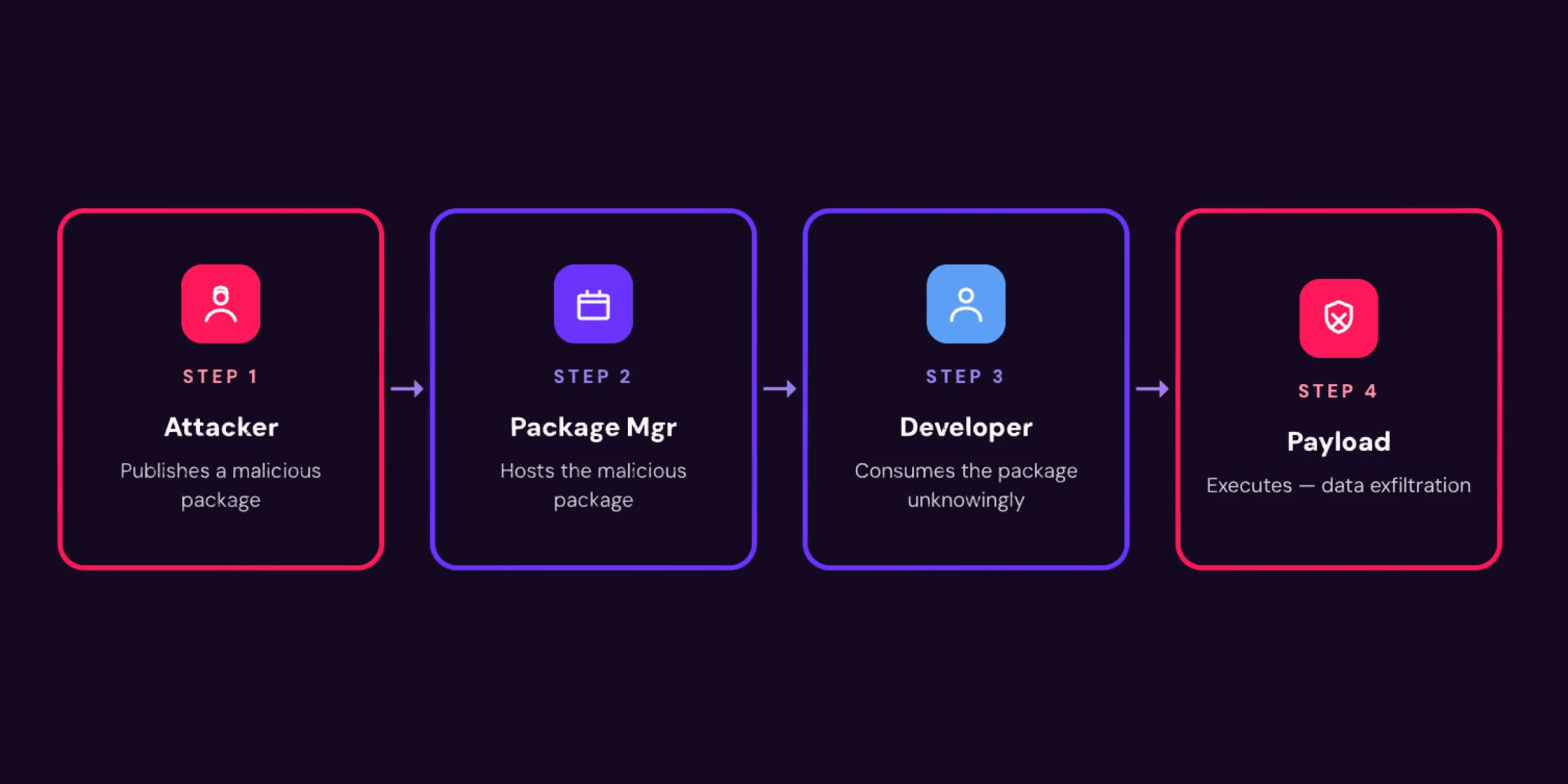
Industry’s Largest Threat Intelligence Database
Our dedicated research team continuously expands the industry’s largest malicious package database – combining automated behavioral analysis, community feeds, public disclosures, and proprietary Checkmarx Zero research. When a new attack campaign surfaces, it’s in the database immediately.
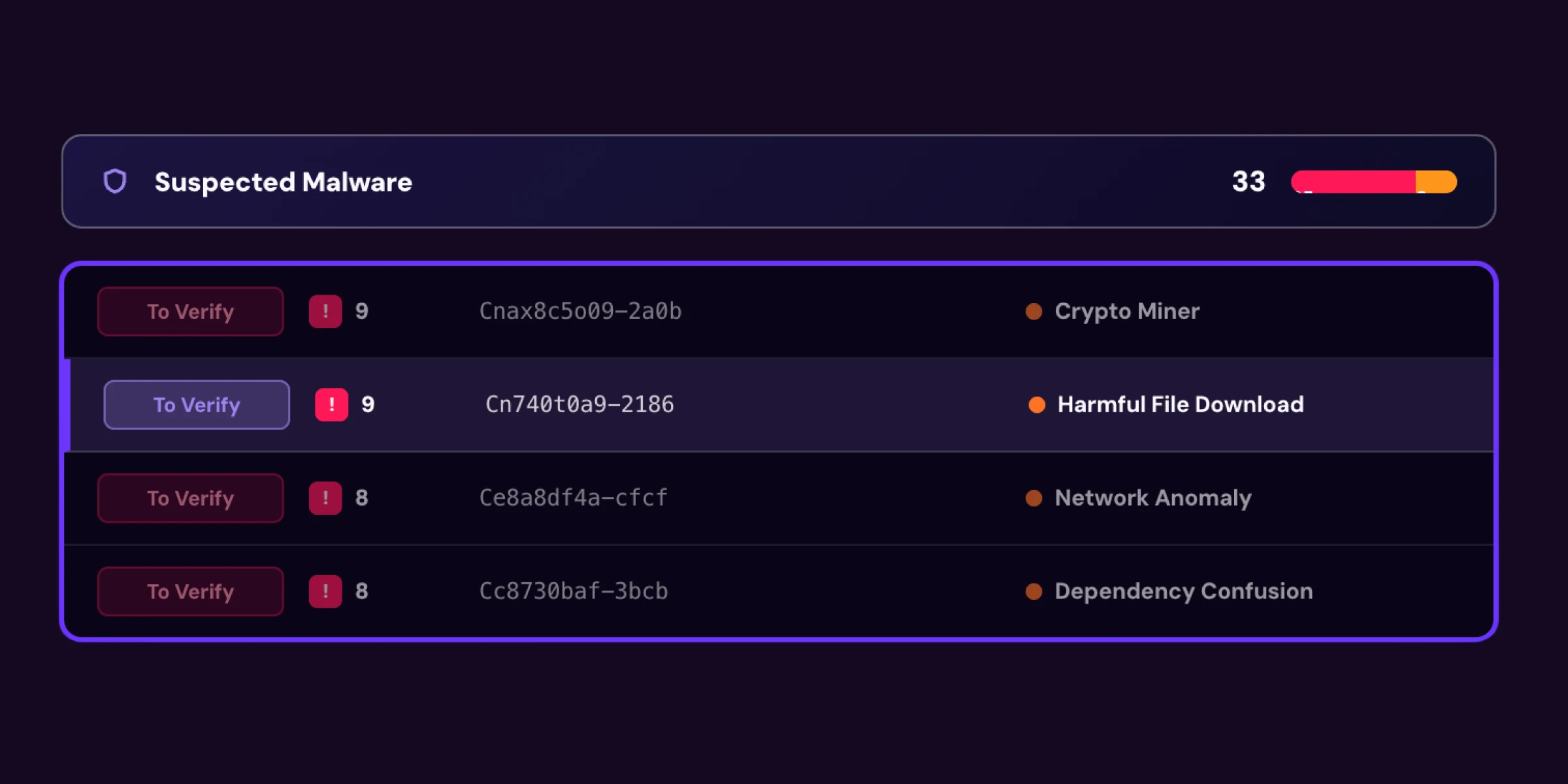
From Pre-Production to Runtime
Checkmarx detects malicious packages in manifest files, binaries, and containers – and correlates runtime usage data available from Sysdig to prioritize remediation efforts.
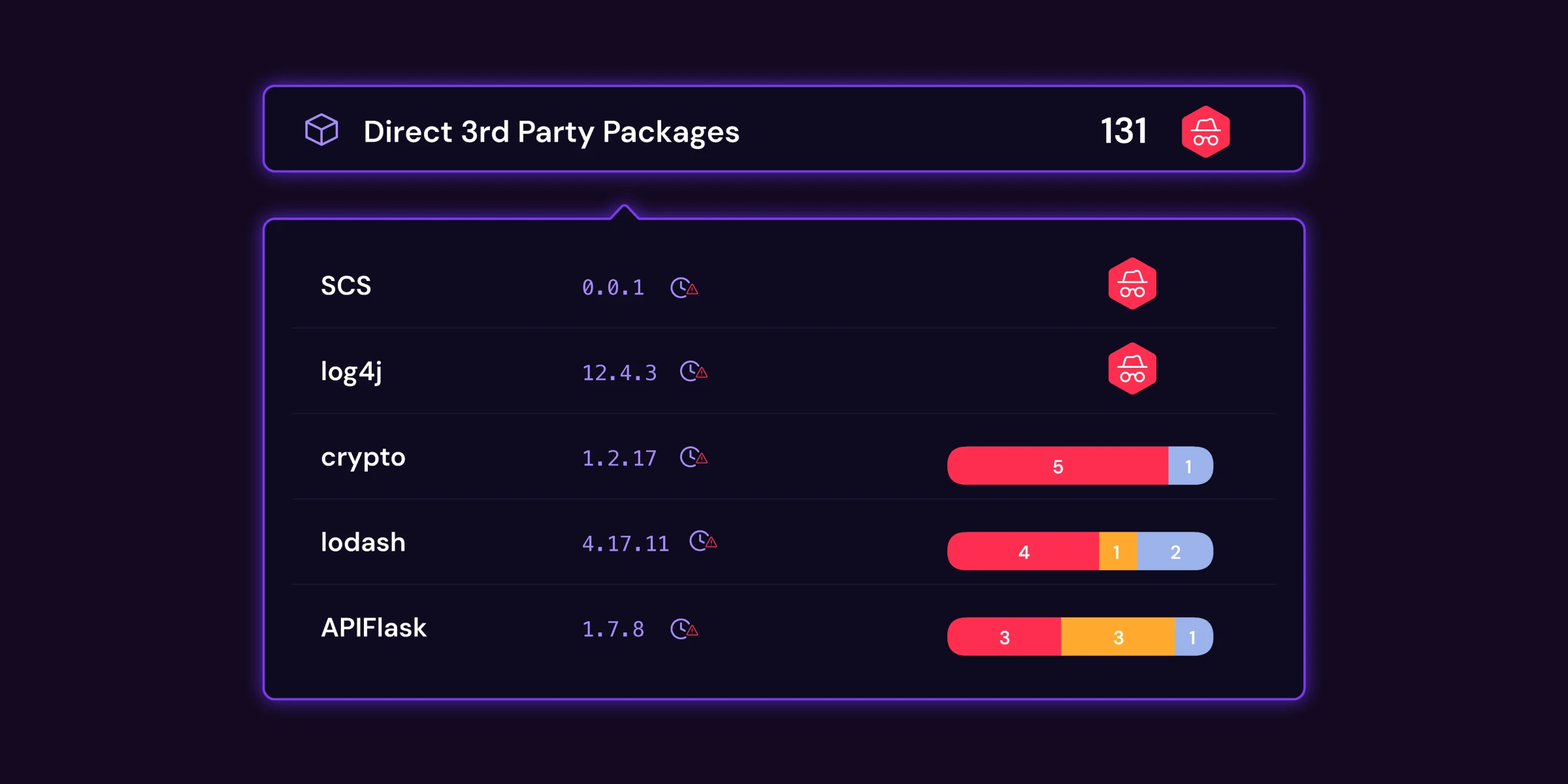
Package Reliability Metrics
Checkmarx rates the trustworthiness of each open-source package included in your applications, by package legitimacy, behavioral integrity and contributor reputation.
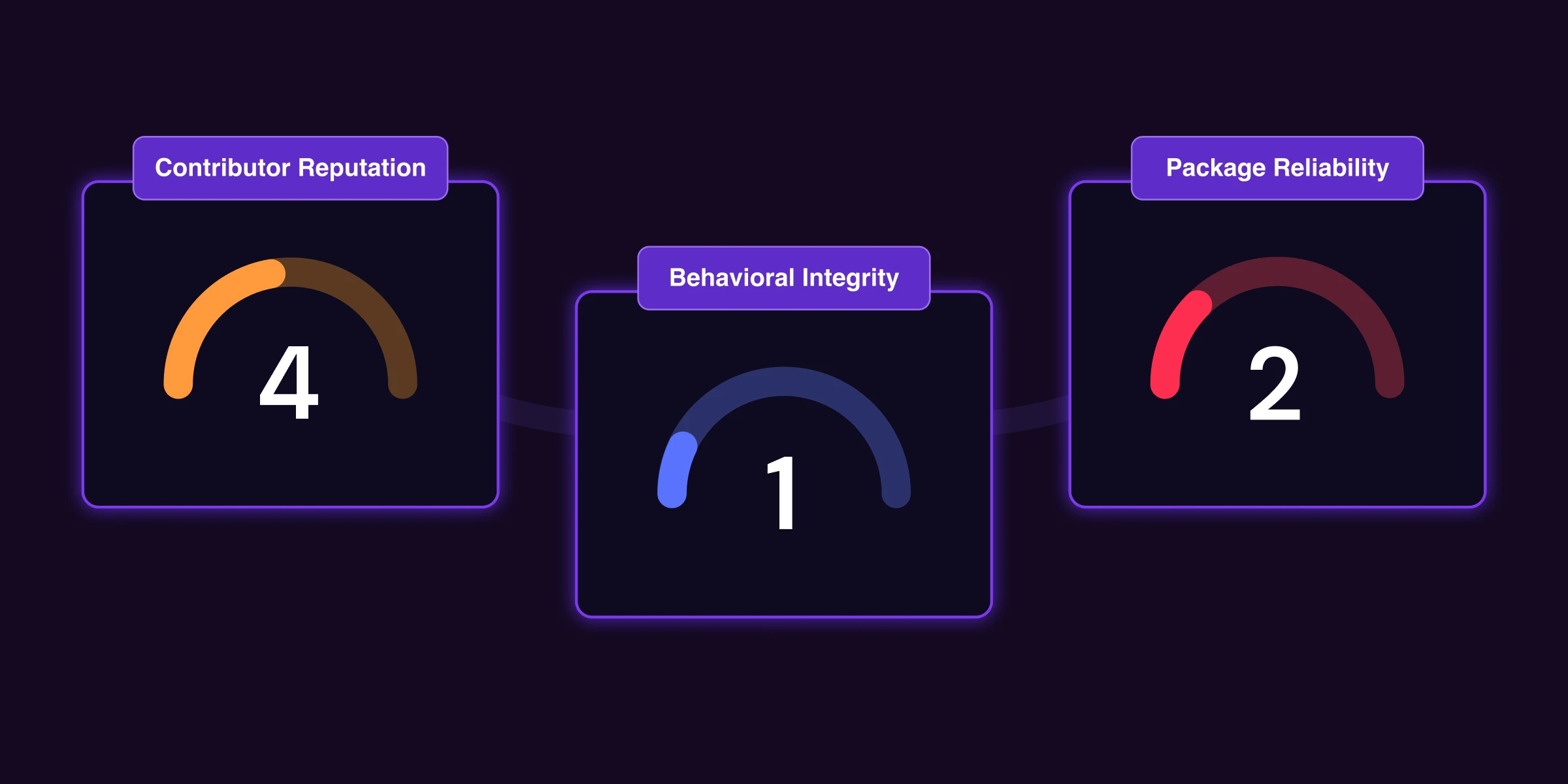
Automated Alerts & Actions
Defined policies automatically take effect when malicious packages are detected. This can include sending alerts, generating incident reports, preventing pull requests and breaking builds.
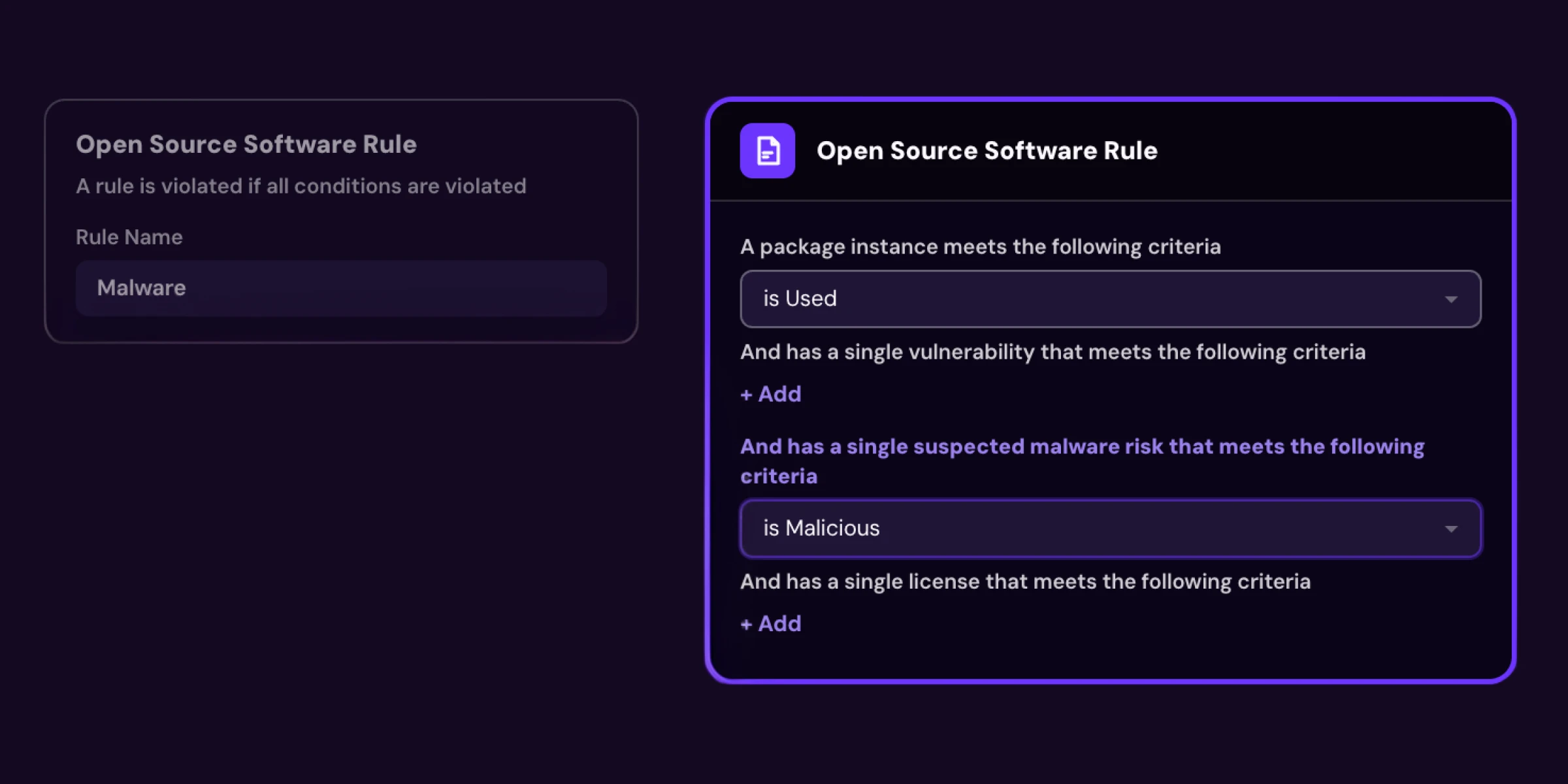
Trust Checkmarx to Reduce Open-Source and Third-Party Risk
Leading enterprises leverage Checkmarx’ massive database of 550K+ malicious packages to eliminate the threats of malware in third-party software libraries.


Protect your Organization from the Dangers of Malicious Packages
Reduce OSS security threats and improve your overall security posture by ensuring that no malicious or suspicious third-party packages are putting your organization at risk.

Unmatched Visibility into Open-Source Risk
Confidently prevent malicious threats by leveraging the industry’s largest OSS malware database and comprehensive code-to-cloud risk management capabilities.

Development Environment Protection
Automatically identify and block malicious or suspicious packages before they are installed in the dev environment or pushed to code repositories.

Efficient & Prioritized Remediation
Focus the efforts of your AppSec teams and developers on the open-source malware risks that pose the greatest threats to your organization.
Powered by the Industry’s
Largest Package Database
Checkmarx’s dedicated AppSec research team – including the Checkmarx Zero vulnerability research group – continuously discovers, analyzes, and catalogues malicious packages across every major ecosystem. When a new attack emerges, you’re protected before you even know it existed.


The Threats We Stop Before
They Stop You
Checkmarx continuously monitors the open-source ecosystem across npm, PyPI, Maven, RubyGems, and more — detecting every class of malicious package attack before it lands in your pipeline.

Malicious Packages
Packages intentionally published to harm — containing data exfiltration, cryptomining, ransomware, or backdoors hidden inside otherwise functional code.
• Protestware and intentionally broken packages
• Hidden credential harvesting payloads
• Post-install script abuse
• Account takeover of maintainer accounts

Typosquatting & Confusion
Packages crafted to look like popular legitimate libraries — exploiting small naming differences or internal package naming conventions to trick developers into installing them.
• Character-swap typosquats (reqwest vs request)
• Dependency confusion attacks on private packages
• Namespace squatting on common patterns
• Combosquatting with popular brand names

Supply Chain Compromises
Attacks that target legitimate packages after the fact — hijacking trusted dependencies through compromised maintainer accounts, CI pipelines, or build infrastructure.
• Compromised maintainer account publishing
• Malicious CI/CD pipeline injection
• XZ Utils-style build system attacks
• Repo hijacking via abandoned packages
Related Resources
 Solution Brief
Malicious Package Protection Solution Brief
Explore how to identify and remediate dangerous or suspicious open source code in your applications with deep package scanning and the industry's largest database of malicious packages.
Learn More
 Whitepaper
The Hidden Threat of Malicious Open-Source Packages: Exec Summary
Learn More
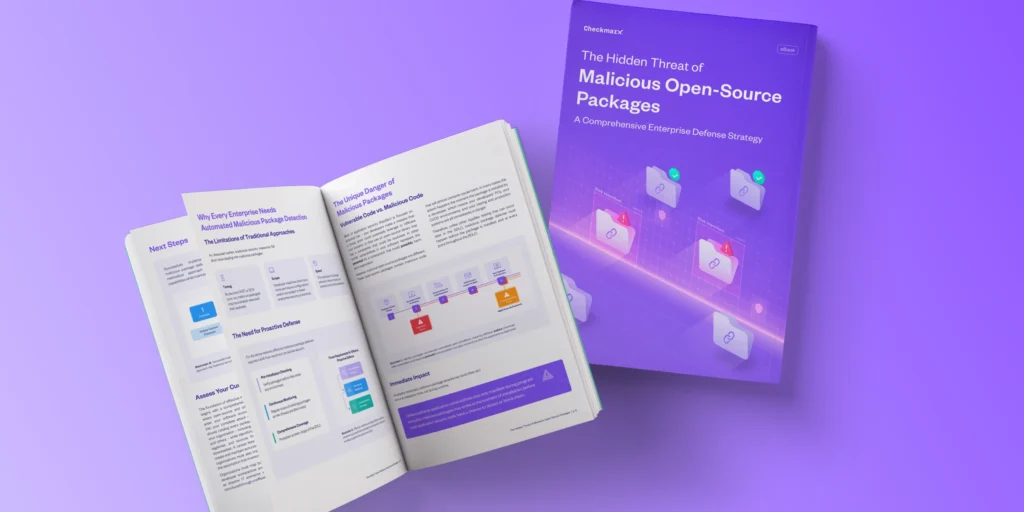 Whitepaper
The Hidden Threat of Malicious Open-Source Packages
Learn More
 Checkmarx Zero
Tornado Cash Theft Uncovered: Malicious Code Drains Funds for Months
Learn More
 Press Release
Checkmarx Announces Supply Chain Threat Intelligence for Faster, Easier Identification
Learn More
Why the World’s Top Teams Choose Checkmarx

“We’ve seen an 80% noise reduction — our engineers now focus on the high-quality risks that matter.”Explore Best Buy Case Study


“By far the best AppSec tooling decision we have made”

“Checkmarx gave us a 90% reduction in vulnerabilities in just a few months.”

“Unifying our AppSec tools with Checkmarx gave us a single source of truth.”

“With 2.1B lines of code scanned monthly, Checkmarx gives us the scale and speed we need.”

“Checkmarx fits seamlessly into our DevOps pipelines—it’s a truly scalable solution.”

“From a buyer perspective, Checkmarx’s approach offers a structured and role-aware entry point into agentic security. ”

“Incorporating Checkmarx’s technology has revolutionized our development culture ”
“Checkmarx One made our security team and developers life easier.”

“The success of our AppSec program can be directly attributed to the tooling, processes and support provided by the Checkmarx managed services.”

“Bringing ASPM context directly into the IDE reflects a forward-looking approach to prioritizing security efforts based on risk earlier in the development process.”
Malicious Package Protection is Part of a Complete Supply Chain Security Story
Combine Malicious Package Protection with SCA, Secrets Detection, and Repository Health for a unified view of your software supply chain risk – all in one platform.
Frequently Asked Questions
A malicious software package is a piece of code disguised as a legitimate software component but designed to harm systems or steal data. Unlike packages that only contain unintentional security weaknesses (vulnerabilities) that can potentially be exploited by bad actors, malicious packages are designed and propagated with malevolent intent.
The threat level to organizations of supply chain attacks in general, and malicious packages in particular, has been rapidly rising over the past few years. The numbers tell a disturbing story: Checkmarx’ AppSec research team has discovered more than 550,000 publicly available malicious packages (as of September 2026). 76% of CISOs are concerned about the dangers of malicious packages (Checkmarx survey, 2024). The average cost of a software supply chain compromise was $4.63 million, which is 8.3% higher than the average cost of a data breach due to other causes (IBM, 2023). It is imperative that CISOs and AppSec teams place more focus on this critical threat vector.
Checkmarx combines proprietary technology with a team of expert security researchers to effectively identify malicious packages. Our threat intelligence system performs automated tests to identify suspicious package behaviors, author reputation, and additional checks (secrets, code scanning, static analysis, etc.). When a package is flagged as potentially malicious, our security research team conducts a thorough manual review to confirm its malicious nature, and avoid false positives, before adding it to our database (and reporting it externally, when appropriate). On average, Checkmarx scans nearly 2 million OSS packages every month.
The most effective way to prevent harm to your organization from malicious packages is to validate each package before it is installed. Beyond this, it is important to frequently scan all the OSS packages used in your applications and container images, to identify and remove/update any package versions that may have been flagged as containing malicious or suspicious code (note that most SCA solutions check for packages with vulnerabilities, but do not identify malicious packages). Other best practices include only using trusted repositories, only using OSS from reputable authors/maintainers, and keeping packages updated to the latest versions (so that you are benefiting from the most recent security patches). Learn more about Checkmarx’ SCA scan technology.
Checkmarx Malicious Package Protection detects:Malicious packages (intentional backdoors, exfiltration, cryptomining, protestware)Typosquatting attacks (packages named to mimic popular libraries)Dependency confusion attacks (internal package name hijacking)Account takeover publishes (legitimate packages compromised by attacker)Supply chain hijacking via CI/CD or build infrastructure
Checkmarx monitors all major package ecosystems including npm, PyPI (Python), Maven (Java), RubyGems (Ruby), NuGet (.NET), Go modules, Cargo (Rust), Swift Package Manager, Cocoapods, and more. Coverage is continuously expanding as new ecosystems gain adoption.
The database is built from multiple intelligence sources: proprietary research from the Checkmarx Zero security research team, automated behavioral analysis of new package publishes across registries, aggregated community and public disclosure feeds (CVEs, GitHub Advisories), and collaborative threat intelligence sharing with ecosystem partners. The database is updated continuously — new threats are typically added within hours of discovery.
Checkmarx integrates natively with all major CI/CD platforms — GitHub Actions, GitLab CI, Jenkins, Azure Pipelines, and more. When a malicious or high-risk package is detected in your dependency tree, the build is blocked automatically with clear remediation guidance. Integration takes minutes via the Checkmarx One platform, and policies are managed centrally by your security team.
The Malicious Package Identification API (MPIAPI) is a REST API that provides programmatic access to the Checkmarx malicious package database. Developers and security teams can query any package name and version to receive an instant risk score, threat category, and recommended safe version. The API can be embedded in IDE plugins, custom security tooling, developer portals, or pre-commit hooks. Learn more at checkmarx.com/malicious-packages-identification-api.
Get Started with Malicious Package Protection
Talk to an AppSec expert about securing your software supply chain. We’ll respond within 1 business day.
Thank You!
Your Custom Checkmarx Demo Request was Successfully Sent!

Get a Demo
Stop Malicious Packages Before They Strike
Industry’s Largest Database
Over 550,000 malicious packages tracked — more coverage than any other vendor in the market.
Real-Time Detection
New threats are added to the database continuously — often within hours of a new attack campaign launching.
Part of One Platform
Combine with SCA, Secrets Detection, and Repository Health for complete supply chain security in Checkmarx One.
Developer-Friendly API:
MPIAPI gives developers direct access to threat data — embed package risk checks anywhere in your toolchain.
Stop Malicious Packages
Before They Strike
Interested in learning more about Malicious Package Protection and our unified supply chain security platform? Get in touch with a member of our team.