

Summary
These providers detect vulnerable open-source libraries and open the dependency fix themselves.Checkmarx One SCA is best for teams wanting exploitable-path context, fix pull requests, and pre-upgrade impact checks inside a wider AppSec platform, Snyk Open Source developer-led fix PRs, Sonatype Lifecycle enterprise policy control, and Mend Renovate continuous update automation.
What Are Automated Remediation Suggestions?
Automated remediation suggestions identify changes that can remove or reduce security risks in third-party libraries. Several prominent platforms and software composition analysis (SCA) providers offer automated remediation suggestions and pull requests for vulnerable open-source libraries and code dependencies.
Instead of only reporting that a dependency contains a known vulnerability, these tools recommend an actionable fix, such as upgrading to a patched version, replacing a package, or changing a dependency constraint. The suggestions are typically based on package metadata, vulnerability databases, dependency relationships, and available fixed versions.
What types of vulnerable libraries can these solutions address?
- Direct dependencies: Libraries explicitly declared in files such as package.json, pom.xml, requirements.txt, or go.mod; tools can update version constraints and lock files to use patched releases.
- Transitive dependencies: Indirect packages introduced by other libraries; remediation may require upgrading a parent dependency, adding overrides, or adjusting constraints.
- Open source packages: Packages from registries such as npm, PyPI, Maven Central, NuGet, RubyGems, and crates.io.
- Outdated frameworks and runtime components: Older frameworks or runtime libraries may need patch, minor, or major upgrades.
- Container and base image packages: Providers may remediate vulnerable OS packages or language libraries in container images by updating packages, base image tags, or image digests.
- Libraries with known CVEs: Tools map installed versions to CVEs or advisories and recommend fixed versions based on affected ranges, severity, exploitability, and availability of patches.
- Abandoned or end-of-life dependencies: When no patch is available, tools can flag unsupported libraries and suggest maintained replacements, forks, or migration paths for manual review.
Key features to look for in automated library remediation providers
- Accurate dependency detection: Identifies exact direct and transitive dependencies that reach production across manifests, lock files, SBOMs, containers, and build outputs.
- High-confidence vulnerability prioritization: Ranks issues using severity, exploit activity, exposure, asset criticality, fix availability, and environmental risk.
- Reachability and exploitability validation: Determines whether vulnerable code is actually invoked and whether application conditions make exploitation realistic.
- Code-aware remediation: Identifies required source-code or configuration changes when secure dependency upgrades introduce API or behavior changes.
- Automated dependency upgrades: Updates manifests and lock files while respecting version constraints and confirming the resolved graph removes the vulnerability.
- Breaking-change and compatibility analysis: Detects major-version risks, peer dependency conflicts, runtime requirements, deprecated APIs, and migration needs.
- Automated testing and validation: Runs builds, tests, scans, and policy checks to confirm the remediation works before merge.
- Multi-scanner ingestion and deduplication: Normalizes and consolidates findings from multiple scanners while preserving traceability to original sources.
- CI/CD and developer workflow integration: Creates pull requests, status checks, approvals, and tracking within existing developer and delivery workflows.
This guide covers remediation for vulnerable open-source and third-party dependencies. For tools that fix vulnerabilities in your own application code, see Best Automated Remediation for Application Vulnerabilities: Top 8 Solutions Compared.
Automated Remediation Providers at a Glance
The table below summarises the key differences between the providers covered in this guide, including what each is best suited to and where the trade-offs sit. We explore each of them in more detail in the sections that follow.
| Category | Solution | Best For | Key Strengths | Things to Consider |
| Application security platforms with automated remediation | Checkmarx One SCA | Remediating open-source risk inside a unified AppSec platform | Exploitable path analysis, fix PRs via Remediation Assist, pre-upgrade blast radius | Reporting is rigid; large monolithic repos scan slowly |
| Application security platforms with automated remediation | Snyk Open Source | Developer-first SCA with one-click fix pull requests | Automated fix and upgrade PRs, customisable PR templates | False positives and scan times can slow pipelines |
| Application security platforms with automated remediation | Black Duck SCA | Deep open-source detection and license compliance at scale | Dependency, binary and snippet analysis with curated advisories | Heavy setup and dated interface; scans can be slow |
| Application security platforms with automated remediation | Sonatype Lifecycle | Policy-driven dependency upgrades that avoid breaking builds | Golden Pull Requests, waivers, contextual risk prioritisation | Alert volume, cost and gaps in some language coverage |
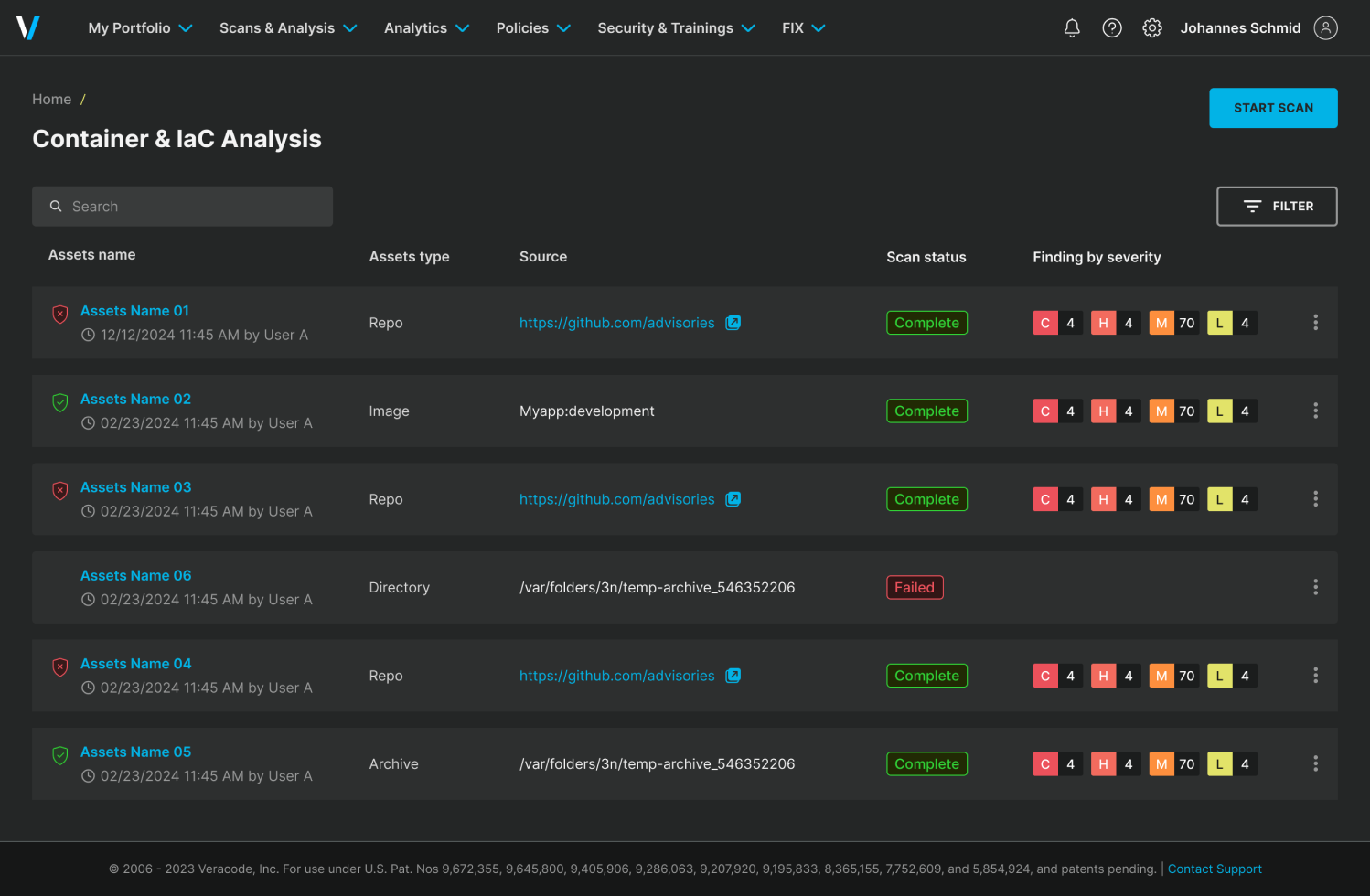
| Application security platforms with automated remediation | Veracode SCA | Auto-remediation of open-source flaws in a wider AppSec suite | Context-aware auto-pull requests, vulnerable method analysis | Slow scans, false positives and support responsiveness |
| Dependency update and upgrade automation tools | Mend Renovate | Continuous automated dependency update PRs across ecosystems | 90+ package managers, Merge Confidence scoring, auto-merge | Some integrations and UI polish draw criticism |
| Dependency update and upgrade automation tools | GitHub Dependabot | Native dependency alerts and fix PRs for GitHub repositories | Dependency graph, security update PRs, no external integration | GitHub-centric, with reporting and dashboard gaps |
| Dependency update and upgrade automation tools | Endor Labs | Reachability-ranked upgrades and patches for hard-to-fix libraries | Upgrade Impact Analysis, Endor Patches, bundled remediation PRs | UI/UX and API coverage still maturing; setup can be fiddly |
How Do Automated Library Remediation Tools Work?
Dependency and Package Discovery
The tool first identifies the libraries used by an application. It can inspect package manifests, lock files, software bills of materials (SBOMs), build files, and installed packages. Examples include package-lock.json, pom.xml, requirements.txt, and go.mod.
It then builds a dependency graph containing both direct and transitive dependencies. Exact package versions are important because a vulnerable transitive library may not appear in the application’s manifest. Lock files and resolved build data generally provide more accurate results than declared version ranges alone.
Vulnerability Identification
Discovered packages are matched against vulnerability data from sources such as the National Vulnerability Database (NVD), GitHub Security Advisories, vendor advisories, and ecosystem-specific databases. Matching normally uses package name, ecosystem, version, and affected version ranges.
The tool determines which installed versions fall within vulnerable ranges and identifies versions containing a fix. It may also collect severity scores, affected components, vulnerability identifiers, and known exploitation information to support prioritization.
Reachability and Exploitability Analysis
A vulnerable package does not always create an exploitable application path. Reachability analysis checks whether application code can invoke the vulnerable functions or code paths. This may use call graphs, import analysis, data flow analysis, or runtime observations.
Exploitability analysis can add conditions from the vulnerability itself. For example, exploitation may require a specific configuration, input source, operating system, or optional feature. These checks reduce noise by distinguishing installed vulnerabilities from vulnerabilities that can realistically affect the application.
Remediation Recommendation Generation
After identifying a vulnerability, the tool determines which dependency change can remove it. The simplest recommendation is usually the nearest patched version that no longer falls within the affected range.
Transitive dependencies require additional analysis. The tool may recommend upgrading the direct parent dependency, changing a version constraint, applying an override, or replacing an unmaintained package. Recommendations should account for the full dependency graph so that the proposed change actually resolves the vulnerable version.
Compatibility and Upgrade Analysis
A secure version can still break an application. Remediation tools therefore examine whether the proposed upgrade changes major versions, violates dependency constraints, conflicts with peer dependencies, or requires incompatible runtime or platform versions.
Some tools also inspect release metadata or known breaking changes. They can prefer the smallest safe upgrade when several fixes are available. This reduces the scope of the change and makes testing and review easier, while major upgrades can be flagged for additional engineering work.
Automated Pull Request Creation
When a suitable fix is available, the tool can create a pull request containing the required dependency changes. It may update manifests and lock files, regenerate dependency resolution data, and include the vulnerability and patched-version details in the pull request description.
Each remediation can be isolated in its own pull request or grouped with related updates. Repository policies can control which severity levels or update types are eligible for automatic changes. The resulting pull request then passes through the project’s normal review and continuous integration process.
Validation and Testing
The proposed remediation should be validated before it is merged. The tool or CI pipeline can reinstall dependencies, compile or build the application, run unit and integration tests, and perform static analysis or security scans.
A follow-up dependency scan verifies that the vulnerable version is no longer present and that the upgrade did not introduce another known vulnerability. Failed builds, dependency conflicts, or test regressions prevent automatic merging and indicate that the remediation needs manual investigation.
Key Features to Look for in Automated Library Remediation Providers
The following table summarizes the key capabilities of remediation solutions. We expand on each feature below.
| Feature | Description | Types of Dependencies |
| Accurate dependency detection | Identifies exact package versions across manifests, lock files, build files, SBOMs, containers, and resolved dependency graphs. | Direct, transitive, private, vendored, container, and monorepo dependencies |
| High-confidence vulnerability prioritization | Prioritizes vulnerable dependencies using severity, exploit activity, exposure, asset criticality, fix availability, and environmental context. | Direct and transitive dependencies with known vulnerabilities |
| Reachability and exploitability validation | Determines whether vulnerable library code is reachable from the application and whether required exploitation conditions exist. | Direct and transitive vulnerable dependencies, including libraries with vulnerable functions or APIs |
| Code-aware remediation | Identifies application code or configuration changes required to adopt a secure dependency version when a version update alone is insufficient. | Libraries requiring API changes, configuration updates, framework migrations, or major-version upgrades |
| Automated dependency upgrades | Updates manifests and lock files to patched versions while respecting constraints and validating the resulting dependency graph. | Direct dependencies and transitive dependencies that can be resolved through parent upgrades, constraints, or overrides |
| Breaking-change and compatibility analysis | Checks upgrades for API changes, peer dependency conflicts, runtime requirements, deprecated functionality, and other compatibility risks. | Frameworks, runtime libraries, major-version upgrades, and packages with interconnected dependencies |
| Automated testing and validation | Runs builds, tests, scans, and policy checks to verify that the upgrade works and that the vulnerable dependency is no longer present. | Direct and transitive dependencies changed or affected by remediation |
| Multi-scanner ingestion and deduplication | Consolidates findings from multiple security tools and maps duplicate vulnerability records to the same affected package and asset. | Dependencies identified by SCA tools, container scanners, SBOM systems, and other security scanners |
| CI/CD and developer workflow integration | Creates and tracks remedia |
Accurate Dependency Detection
A remediation provider should identify the exact libraries and versions that reach production, including both direct and transitive dependencies. Look for support for manifests, lock files, build files, SBOMs, container images, and resolved dependency graphs. The provider should distinguish declared dependencies from the versions that the build actually resolves.
Detection should also handle monorepos, multiple package managers, private registries, vendored dependencies, and version overrides. This becomes important in large applications where different services may use different versions of the same package.
Accurate inventory data is essential because incorrect package or version matching can produce false positives or ineffective remediation. Providers should continuously update the dependency inventory as builds and dependency files change, rather than relying on a one-time scan.
High-Confidence Vulnerability Prioritization
The provider should rank vulnerabilities using more than a generic severity score. Useful signals include CVSS severity, availability of public exploits, known active exploitation, package exposure, asset criticality, and whether a fixed version exists. Data such as CISA’s Known Exploited Vulnerabilities catalog or EPSS scores can provide additional context.
Prioritization should also consider where the affected application runs and what data or privileges it can access. A medium-severity vulnerability in an internet-facing service can deserve more attention than a higher-scoring issue in an isolated development tool.
This helps teams focus remediation work on vulnerabilities that present meaningful risk. Providers should expose the signals behind each priority so security teams can review decisions and adjust policies to match their environment.
Reachability and Exploitability Validation
Look for tools that determine whether the application actually invokes vulnerable code. Reachability analysis can use imports, call graphs, static analysis, runtime data, or data flow analysis to establish a path between application code and vulnerable library functions.
Exploitability validation goes further by examining the conditions required to trigger the vulnerability. For example, exploitation may depend on attacker-controlled input reaching a particular API, a feature being enabled, or the application running with a specific configuration.
These capabilities reduce remediation work on dependencies that are installed but cannot expose the vulnerable behavior in the current application. The provider should still preserve these findings for reassessment because future code or configuration changes can make previously unreachable vulnerabilities reachable.
Code-Aware Remediation
Code-aware remediation goes beyond changing a package version. The provider analyzes how the application uses a dependency and identifies source-code or configuration changes required by the secure version. This is particularly useful when no compatible patch exists on the application’s current dependency line.
For example, an upgrade may rename methods, remove deprecated APIs, change initialization parameters, or require a new configuration format. A code-aware provider can identify affected call sites and propose corresponding modifications rather than leaving developers with a failing build.
Generated changes should be limited to the code required for the remediation and presented in a reviewable form. Developers should be able to inspect both the dependency change and any application changes before merging them.
Automated Dependency Upgrades
The provider should be able to update dependency declarations and lock files automatically. It should select a patched version that resolves the vulnerability while respecting existing version constraints and relationships between packages.
Look for configurable policies covering patch, minor, and major upgrades. Teams may want low-risk security patches opened automatically while requiring approval for major version changes. Grouping related upgrades can also be useful when several packages must move together to maintain compatibility.
The provider should run the package manager or equivalent dependency resolver after making the change. This confirms that the resulting dependency graph contains the expected versions and prevents a manifest update from appearing successful while the lock file continues to resolve the vulnerable package.
Breaking-Change and Compatibility Analysis
A secure upgrade is useful only if the application can run with it. Providers should detect major version changes, incompatible peer dependencies, runtime requirements, deprecated APIs, and conflicts elsewhere in the dependency graph.
More capable tools can inspect release notes, migration guides, API changes, and application usage to identify specific breaking changes that affect the project. They may also determine whether a new package release requires a newer language runtime, operating system library, or framework version.
This analysis allows developers to distinguish simple version bumps from upgrades that require broader migration work. It can also help the remediation system choose between several patched versions based on both security and compatibility.
Automated Testing and Validation
Remediation should be validated before a change is merged. Look for integration with existing unit, integration, build, linting, and security tests, as well as the ability to trigger these checks automatically for generated pull requests.
The provider should verify that the project still builds and that the vulnerable dependency has actually been removed or upgraded. Rescanning the resulting artifact is important because the package resolver may produce a dependency graph that differs from what the manifest alone suggests.
Strong validation can also detect regressions caused by behavioral changes that do not produce compilation errors. Failed checks should block automatic merging and provide enough diagnostic information for developers to determine whether the dependency upgrade or an associated code change caused the failure.
Multi-Scanner Ingestion and Deduplication
Organizations often receive dependency findings from software composition analysis tools, container scanners, cloud security platforms, SBOM analysis systems, and other security products. A remediation provider should ingest findings from multiple sources rather than requiring teams to replace existing scanners.
It should normalize package identifiers, vulnerability identifiers, versions, and affected assets to identify duplicate findings. The same vulnerability may otherwise appear several times under a CVE, a GitHub Security Advisory identifier, and vendor-specific identifiers.
Effective deduplication prevents multiple alerts for the same vulnerable dependency from creating separate remediation tasks or pull requests. The provider should retain links to the original findings so security teams can trace a consolidated issue back to each scanner and verify remediation across those sources.
CI/CD and Developer Workflow Integration
Remediation should fit into the tools developers already use. Look for integrations with source control platforms, CI/CD systems, issue trackers, package registries, and security platforms so findings can move from detection to remediation without extensive manual handoffs.
Useful capabilities include automatic pull requests, status checks, reviewer assignment, policy-based approvals, and remediation tracking. The provider should preserve normal branch protections and review requirements instead of creating a separate path around existing software delivery controls.
APIs, webhooks, and command-line interfaces are also valuable for integrating remediation into custom pipelines. For larger organizations, look for centralized policies that can control remediation behavior across many repositories while still allowing teams to define project-specific test and approval requirements.
Notable Automated Remediation Providers
How we selected these providers: We shortlisted software composition analysis and dependency update providers based on accurate dependency detection, reachability and risk prioritisation, automated upgrade and pull request generation, breaking-change analysis, and integration with existing source control and CI/CD workflows.
Application Security Platforms with Automated Remediation
1. Checkmarx One Software Composition Analysis (SCA)

Best for: Remediating open-source risk inside a unified AppSec platform
Strengths: Exploitable path analysis, malicious package data, policy automation
Things to consider: Reporting is rigid; large monolithic repos scan slowly
Checkmarx One SCA identifies, prioritises and remediates open-source risk in applications, covering vulnerabilities, malicious code and license risks. It discovers and scans all directly and transitively referenced open-source and private packages to unlimited depth, including packages held in on-premises and private JFrog Artifactory registries.
Checkmarx tracks more than 3 million open-source packages and maintains a database of over 550,000 known malicious packages, blocked in real time before they enter the build. Scans can be triggered from the IDE, CLI, and CI/CD platforms including Jenkins, Azure DevOps, GitHub Actions, and TeamCity, and results are correlated with SAST, IaC, and container findings on the Checkmarx One platform.
Key features include:
- Transitive dependency scanning: Discovery and scanning of all directly and transitively referenced open-source and private packages to unlimited depth, covering on-premises and private JFrog Artifactory registries.
- Exploitable path analysis: An advanced form of reachability analysis that determines which vulnerable classes or functions inside third-party libraries may be called by the application at runtime, across a variety of coding languages.
- AI-guided remediation: Specific remediation guidance including the expected effort and impact of each fix, plus AI recommendations for more secure alternative packages.
- Fix pull requests with Remediation Assist: Generates reviewable fix pull requests for vulnerable dependencies directly in GitHub repositories, on demand and never auto-merged, so developers stay in control of every change. Where no SCM integration exists, the fix can be downloaded as a patch.
- Pre-upgrade impact analysis with Developer Assist: Before a package upgrade lands, Developer Assist’s Safe Refactor and Blast Radius capabilities show which downstream code the change affects, across 13 package managers in the IDE, CLI, and terminal.
- Malicious package protection:A database of over 550,000 known malicious packages, blocked in real time before they enter the build.
- Policy rules with automated actions: Policies based on package characteristics, CVSS severity (including CVSS v4.0), reachability, malicious code detection and licensing issues, configured to send alerts, prevent pull requests or break builds.
- SBOM generation and ingestion: Generation, sharing, ingestion and management of software bills of materials in industry-standard formats.
- License risk management: Tracking of third-party license requirements and restrictions across the components in an application.
Limitations (as reported by users on Gartner Peer Insights):
- Reporting flexibility: Out-of-the-box reporting for executive stakeholders can feel rigid, and customising it sometimes requires manual data export.
- Scan time on large repositories: Initial full scans of very large monolithic repositories can be time-consuming.
- License policy depth: Some reviewers would like broader open-source license coverage and stronger policy management for license compliance issues.
2. Snyk Open Source
Best for: Developer-first SCA with one-click fix pull requests
Strengths: Automated fix and upgrade PRs, customisable PR templates
Things to consider: False positives and scan times can slow pipelines
Snyk Open Source provides software composition analysis aimed at developers, helping them find, prioritise and fix security vulnerabilities and license issues in open-source dependencies. It operates at four points in the lifecycle: the IDE and CLI while coding, pull requests before merging, CI/CD pipelines as guardrails, and the production environment.
Prioritisation is based on a priority score that evaluates vulnerabilities against more than a dozen objective and contextual factors, including reachability, exploit maturity and EPSS and CVSS scores, refined further by business and application context. Free, Team and Enterprise plans differ in license compliance, Jira integration, reporting, API access, custom user roles, security policy management and SBOM support.
Key features include:
- One-click fix pull requests: Vulnerability fixes automated through pull requests populated with the required upgrades and patches, covering open-source dependencies and their transitive dependencies.
- Customisable pull request templates: Title, description and commit message can be specified so generated pull requests match the format the organisation requires.
- Risk-based prioritisation: A priority score built by dynamically evaluating vulnerabilities against over a dozen objective and contextual factors, including reachability, exploit maturity and EPSS and CVSS scores.
- Coverage across the development lifecycle: Scanning in the IDE and CLI, on pull requests before merging, inside CI/CD pipelines, and against the running production environment.
- Continuous monitoring: Imported projects are monitored automatically for newly identified vulnerabilities so exposure is picked up after the initial scan.
- Governance and reporting: Real-time and historical reporting for compliance with regulatory and internal security policies, with SBOM support, security policy management and custom user roles available on the Enterprise plan.
Limitations (as reported by users on G2):
- False positives: Reviewers report findings that turn out not to be real issues, adding triage work over time.
- Scan duration: Scans on medium-sized repositories can take several minutes, which slows down pipelines.
- Cost at scale: Accessing the full feature set is described as expensive, with some capabilities reserved for higher tiers.
- Interface consistency: Parts of the portfolio sit in a separate interface rather than being integrated into the main product.
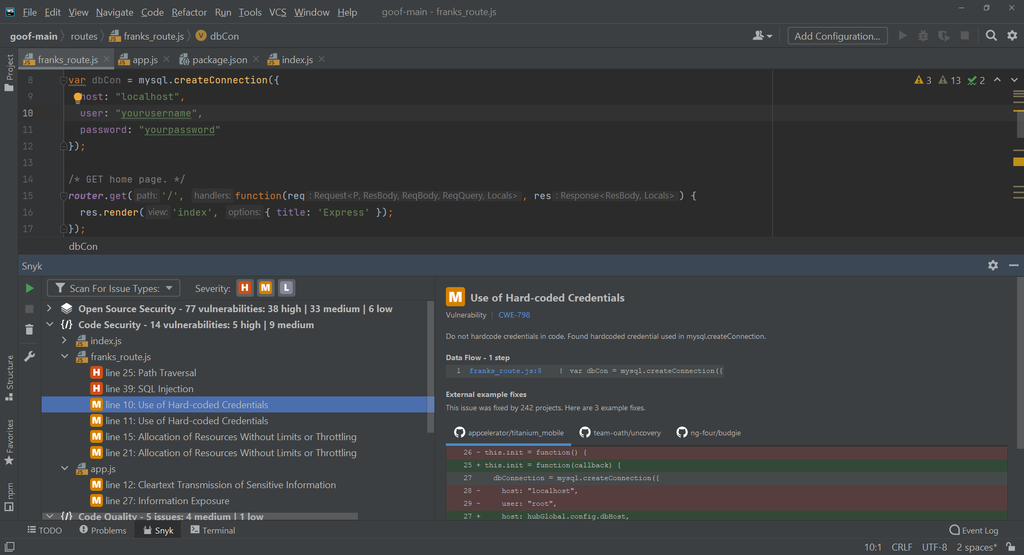
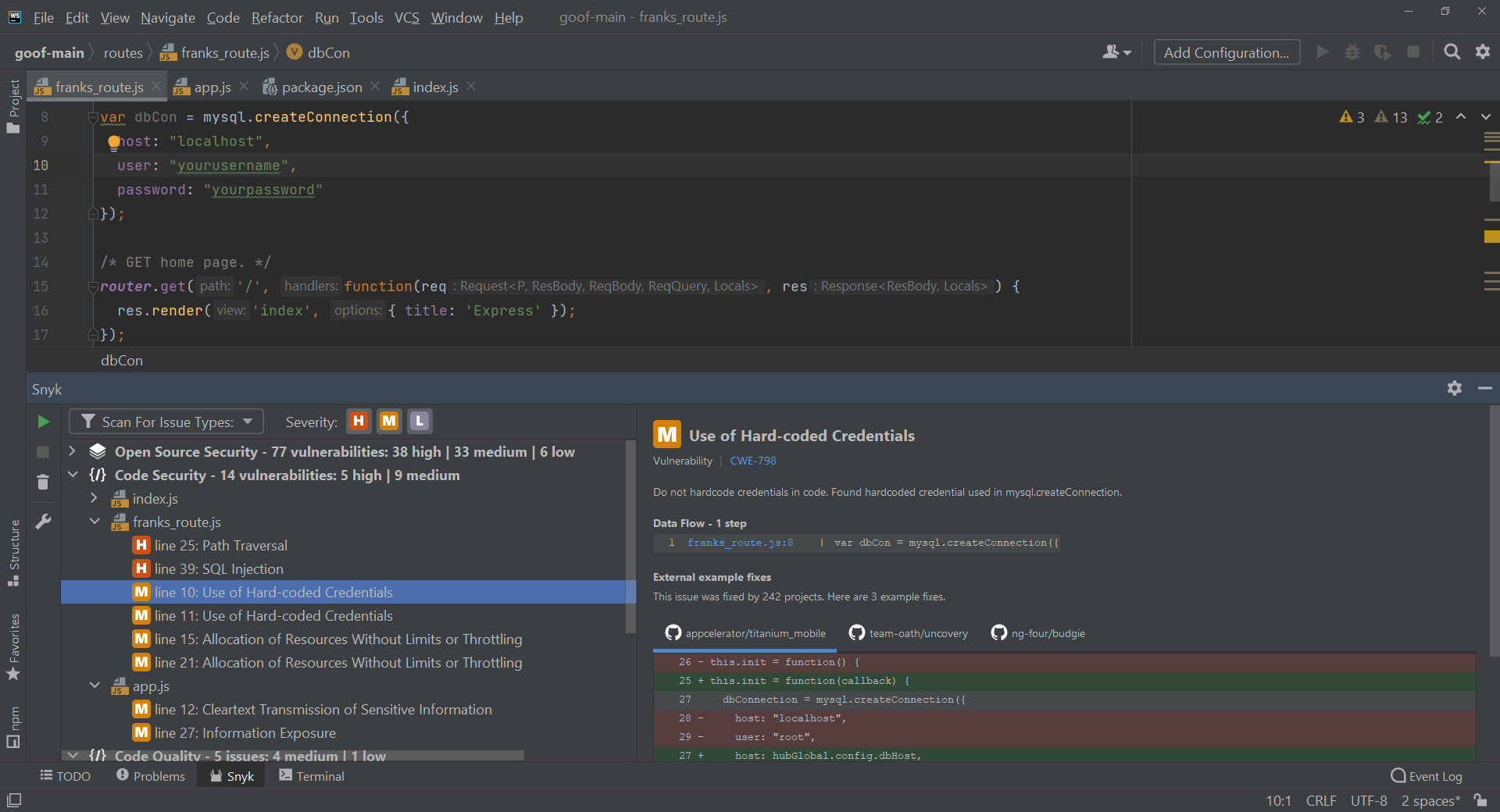
Source: Snyk
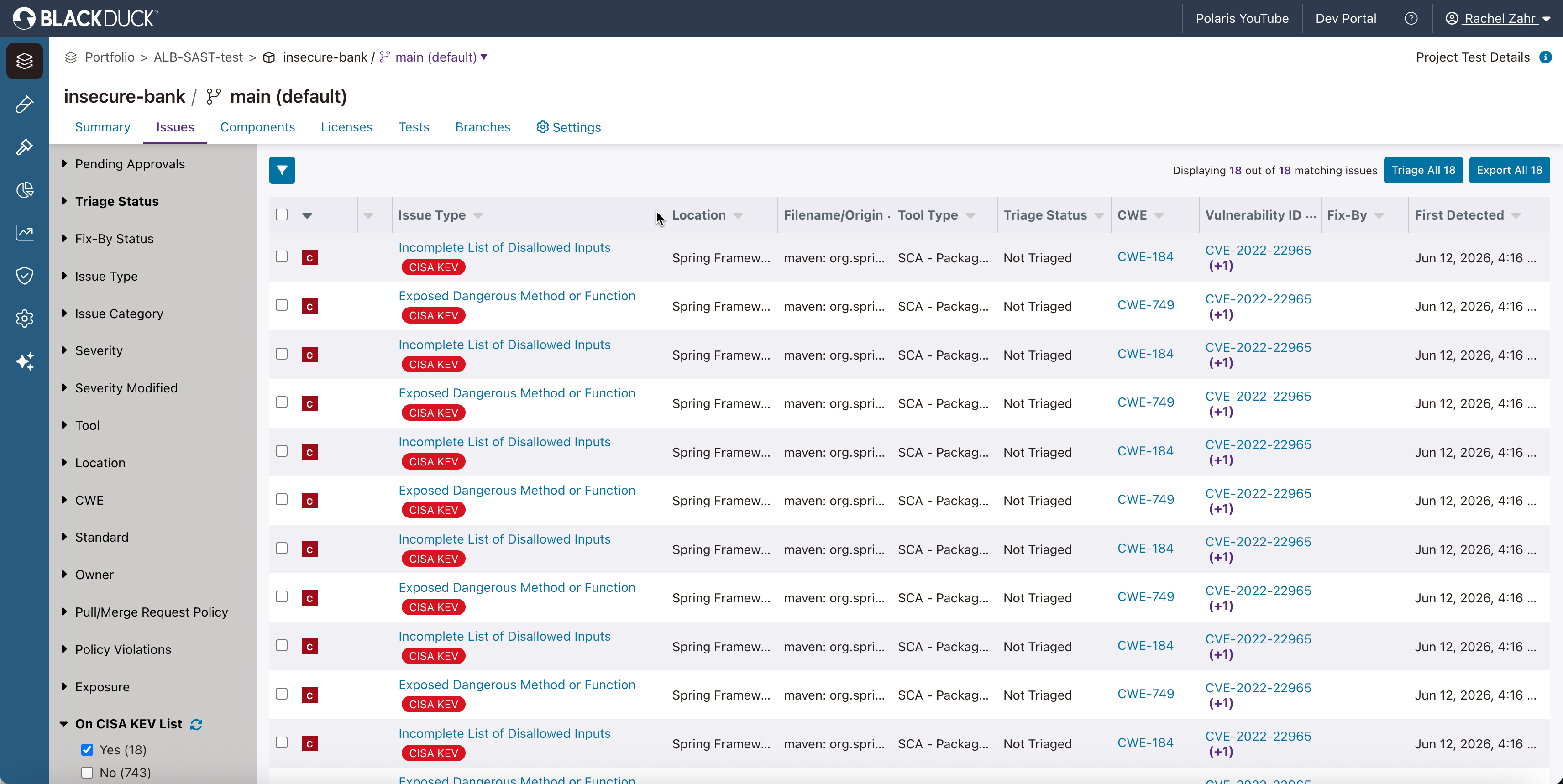
3. Black Duck SCA

Best for: Deep open-source detection and license compliance at scale
Strengths: Dependency, binary and snippet analysis with curated advisories
Things to consider: Heavy setup and dated interface; scans can be slow
Black Duck SCA identifies, manages and remediates software supply chain risk across open-source and third-party code, covering security, quality and license compliance. It combines multiple scan technologies rather than relying on package manifests alone, which allows it to detect undeclared components, languages such as C and C++, open source built into containers without a package manager, modified code and partial code snippets.
Remediation is driven by Black Duck Security Advisories, a component database curated and human-validated by the Cybersecurity Research Center. Organisations define open-source policies and enforce them automatically across every stage of development. The product is offered in a standard edition and an enterprise edition that adds snippet detection, binary and firmware analysis, and AI model risk insight.
Key features include:
- Multi-technology detection: Dependency, binary and snippet analysis combined to identify components in software, source code or artifacts, including open source that package manager scanning misses.
- Black Duck Security Advisories: A curated component database that provides severity, prioritisation and reachability metrics along with remediation guidance for identified vulnerabilities.
- Policy enforcement across the SDLC: Custom security and license policy configuration with automatic enforcement, notification and reporting at each stage of development.
- SBOM import and export: SBOMs imported and mapped to known components, exported in SPDX and CycloneDX formats, with automated generation and risk monitoring through SDLC integrations.
- Container and binary coverage: Container images checked against use and security policies and license obligations, with binary scanning that opens compiled artifacts and covers legacy languages and firmware.
- License compliance data: Declared and undeclared license identification drawn from a KnowledgeBase of more than 2,750 open-source licenses, with full license text, obligation guidance and deep copyright data.
- AI model discovery: Identification of open-source and third-party AI models integrated with projects, including their origin, license obligations and whether they have been retrained.
- Continuous monitoring: Applications and containers monitored both before and after deployment for newly disclosed vulnerabilities.
Limitations (as reported by users on G2):
- Deployment effort: On-premises deployment requires substantial infrastructure, and the setup and installation process is described as heavy.
- Interface and reporting: The user interface feels dated and configuring it requires expertise, while reports can need additional knowledge or training to interpret.
- Scan duration: Scans on large projects take longer than users expect.
- False positives: Some scans return a high number of findings that require manual review and dismissal.
- Cost: Pricing is considered high relative to other solutions on the market.
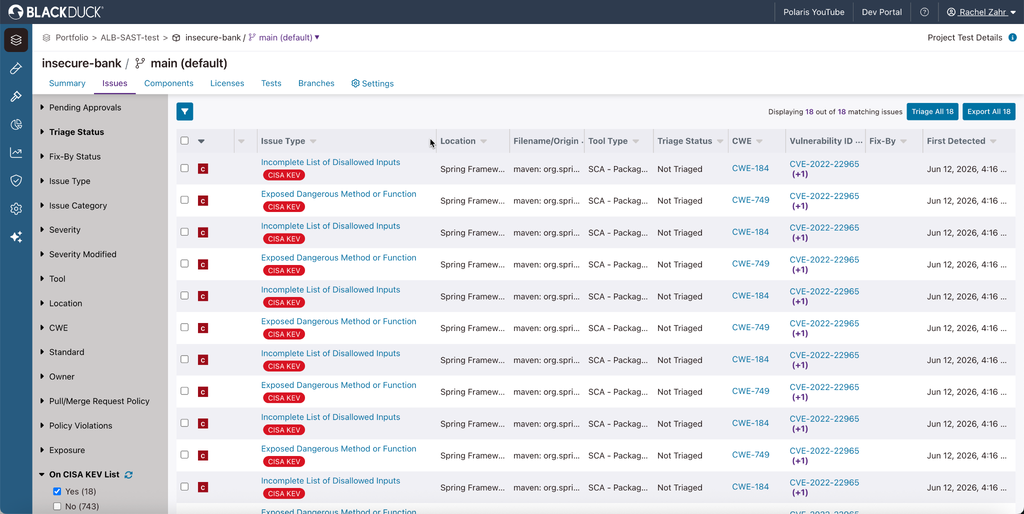
Source: Black Duck
4. Sonatype Lifecycle

Best for: Policy-driven dependency upgrades that avoid breaking builds
Strengths: Golden Pull Requests, waivers, contextual risk prioritisation
Things to consider: Alert volume, cost and gaps in some language coverage
Sonatype Lifecycle is a software composition analysis tool that automates dependency management and remediation inside the DevOps pipeline. Its assisted remediation combines automated waivers with Golden Pull Requests, which are upgrades that resolve policy violations across a component and its transitive dependencies without introducing breaking changes.
Risk is prioritised using reachability, breaking-change data and upgrade availability rather than CVSS scores alone, drawing on Sonatype’s proprietary intelligence in addition to public advisory data. The tool supports more than 20 languages and package types, integrates with GitHub, GitLab Ultimate and Azure DevOps, and can be deployed in the cloud, self-hosted on-premises, or in a fully disconnected environment.
Key features include:
- Golden Pull Requests: Automated remediation pull requests built around a Golden Version, an upgrade that clears policy violations in both the component and its transitive dependencies without breaking the build.
- Contextual risk prioritisation: Findings ranked using reachability, breaking changes and upgrade availability alongside proprietary intelligence that goes beyond Mitre and NVD data.
- Flexible policy engine: 18 default policies and over 30 customisable constraints applied by application type, legal requirement or risk profile, enforced continuously across OSS components, InnerSource and open-source AI models.
- Built-in exemption management: Waivers that temporarily accept risk, applied automatically for low-risk violations with no upgrade path or unreachable components, and tracked through a waiver dashboard.
- InnerSource dependency updates: New versions of internal libraries tracked automatically, with pull requests opened in all consuming applications to promote the version that meets governance standards.
- Developer tool integrations: Component intelligence pushed into GitHub pull requests, findings surfaced in the GitLab Ultimate vulnerability report and dependency list, and Azure builds failed or alerted on policy breaches.
- SBOM and reporting: SBOM generation and import in any format, working alongside Sonatype SBOM Manager, plus more than 12 enterprise reports and dashboards.
- Deployment options: Cloud hosting, self-hosted on-premises installation, or fully disconnected operation using the Sonatype Air-Gapped Environment.
Limitations (as reported by users on PeerSpot):
- Alert and policy volume: The breadth of policies and alerts can feel overwhelming for teams early in their security programme, and alert prioritisation and noise reduction are cited as areas to improve in larger environments.
- Cost: Positioned among the more expensive SCA tools on the market.
- Integration gaps: Connections to tools such as TeamCity and Azure DevOps are described as limited, requiring workarounds.
- Language coverage: Coverage is not as comprehensive as some teams need across all programming languages.
- Registry dependency: Versions occasionally unavailable in Maven Central have caused build failures.
- Update downtime: The installation approach leads to downtime during updates, with reviewers suggesting a move to Kubernetes.
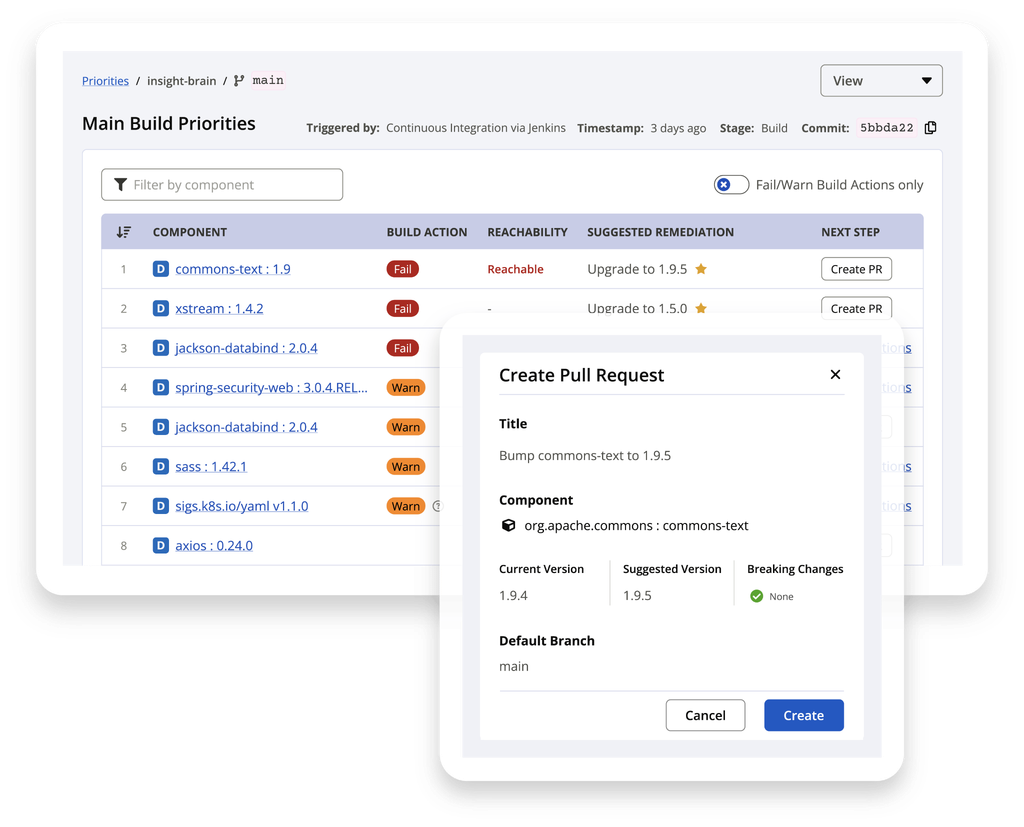
Source: Sonatype

5. Veracode Software Composition Analysis

Best for: Auto-remediation of open-source flaws in a wider AppSec suite
Strengths: Context-aware auto-pull requests, vulnerable method analysis
Things to consider: Slow scans, false positives and support responsiveness
Veracode SCA identifies and acts on open-source vulnerability and license risk, applying automated remediation in real time within the development environment. Vulnerability Method Analysis pinpoints where application code interacts with risks inside libraries and components, and prioritisation uses exploit paths and dependency relationships to narrow the list of findings.
The provider maintains a proprietary vulnerability database built on more than six years of machine learning, which surfaces vulnerabilities and license issues before they are publicly listed. Scanning runs where developers work, in IDEs, repositories and CI/CD workflows, with support for cloud-native and traditional languages.
Key features include:
- Context-aware auto-pull requests: Pull requests that apply the best available fix along with guidance on how the change affects code functionality.
- Vulnerability Method Analysis: Analysis pinpointing where application code interacts with risks in libraries and components, with prioritisation based on exploit paths and dependency relationships.
- Dependency graphs: Direct and indirect vulnerabilities identified, with precise prioritisation of those sitting on the execution path.
- Proprietary vulnerability database: Machine learning built over six years used to identify new vulnerabilities and license issues before they go public.
- Malicious package detection: Machine learning and threat intelligence applied to detect and block malicious packages before they enter the supply chain.
- Integrated developer experience: Scans run, fix suggestions retrieved and issues remediated from the IDE or CLI without switching environments.
- Automated, flexible policy: Custom policy management that enforces code quality gates, with centralised cross-risk analysis and auditable mitigation workflows.
- SBOM generation: SBOMs generated and scanned to inventory open-source components in CycloneDX and SPDX formats.
Limitations (as reported by users on PeerSpot; the profile covers the wider Veracode platform, of which SCA is one module):
- Scan duration: Static and dynamic scans are reported as slow, which affects productivity and CI/CD pipeline integration.
- False positives: Frequent false positives add time and effort to handling vulnerabilities.
- Cost: Pricing is considered expensive, with significant increases noted over previous years.
- Support responsiveness: Reviewers report difficulty getting technical support to understand and progress issues.
- Interface and reporting: The user interface, reporting and general ease of use are cited as areas needing work, and locating an implemented policy can be difficult.
- Language and upload handling: Difficulty scanning C and C++ projects, along with upload size restrictions.
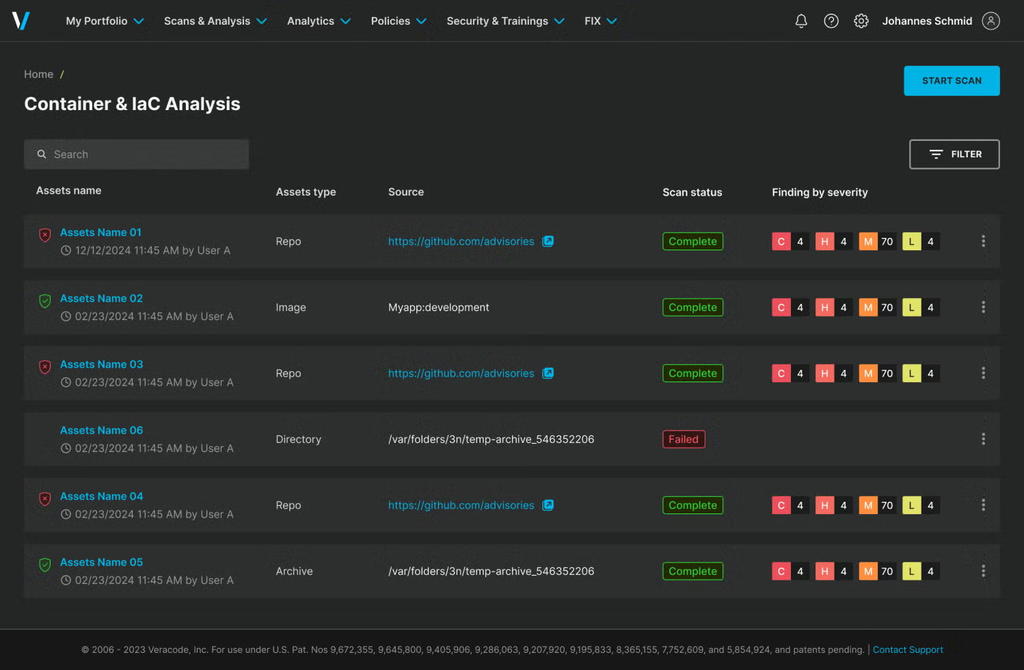
Source: Veracode
Dependency Update and Upgrade Automation Tools
6. Mend Renovate

Best for: Continuous automated dependency update PRs across ecosystems
Strengths: 90+ package managers, Merge Confidence scoring, auto-merge
Things to consider: Some integrations and UI polish draw criticism
Mend Renovate is a family of tools that detects outdated packages and delivers updates as pull requests. Renovate, often called Renovate Bot, was created as an open-source project in 2017 and acquired by Mend.io, formerly WhiteSource, in 2019. All three editions share the same core codebase.
Renovate CLI is a free, open-source, self-hosted version; Renovate Community is free and cloud-hosted, adding job scheduling and API access; Renovate Enterprise is paid and adds Merge Confidence workflows, reporting APIs, a web UI, self-hosted deployment and support. Supported platforms span GitHub Cloud and Enterprise Server, Bitbucket Cloud and Data Center, GitLab.com and GitLab Server, Azure DevOps, AWS CodeCommit, Gitea and Forgejo.
Key features include:
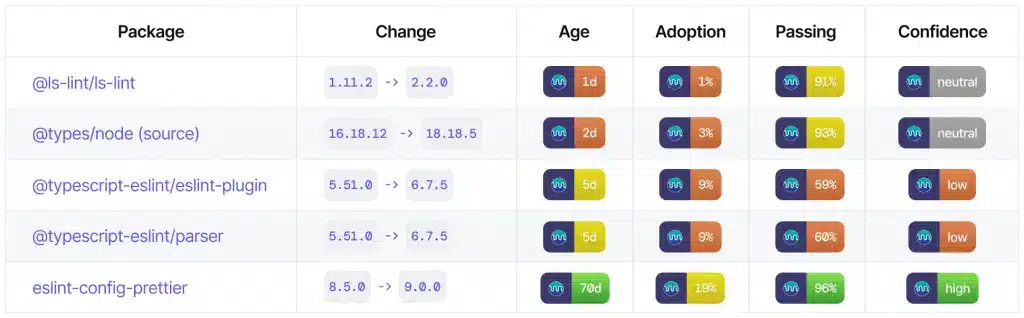
- Pull requests for dependency updates: Pull requests and issues created directly in the repository being scanned, containing update details including age, adoption, passing rates and complete change logs.
- Merge Confidence workflows: Dependency updates grouped, filtered and merged based on the confidence of an error-free merge, available in the Enterprise edition.
- Automatic job scheduling and webhooks: A scheduling module that scans repositories at configurable intervals, plus a webhook listener that detects repository events and triggers jobs immediately.
- Broad ecosystem support: npm packages, Maven artifacts, NuGet packages, Python via pip and Poetry, Go modules, Docker images, Terraform, GitHub Actions and more than 90 package managers in total.
- Configurable update policy: A renovate.json file in the repository root that defines which dependencies to update, the scanning schedule and how updates are grouped.
- CI/CD triggering and rollback: Each pull request triggers the CI/CD workflow so updates are tested before merging, and Renovate can be configured to revert an update automatically if it breaks the build.
- Monorepo and private registry support: Dependencies detected and updated across multiple projects within a monorepo, with registry URLs and authentication details configurable for custom package registries.
Limitations (as reported by users on G2):
- Interface polish: Parts of the user interface are described as clunky or somewhat dated.
- Alert noise: Scanning can generate findings that require extra manual triage.
- Pricing: Costs are seen as high for smaller teams and mid-market buyers.
- Third-party integrations: Connections to tools such as Jira are reported to break occasionally.
- Competitive position: Some reviewers note that teams hosting code on GitHub increasingly prefer the platform’s native tooling.
Source: Mend

7. GitHub (Dependabot)

Best for: Native dependency alerts and fix PRs for GitHub repositories
Strengths: Dependency graph, security update PRs, no external integration
Things to consider: GitHub-centric, with reporting and dashboard gaps
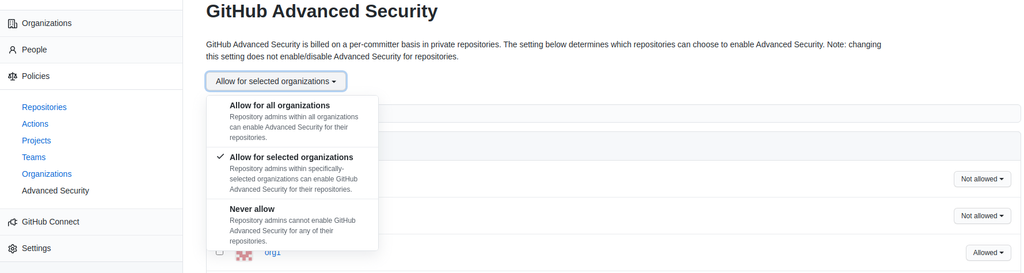
Dependabot is GitHub’s built-in dependency security tool, available on GitHub repositories without a GitHub Advanced Security license. Dependabot alerts flag known vulnerabilities in a repository’s dependencies, Dependabot security updates open pull requests that bump vulnerable dependencies to a patched version, and version updates keep dependencies current on a schedule. Teams that add GitHub Code Security, part of GitHub Advanced Security, also gain dependency review for private repositories, which surfaces risky dependency changes directly in pull requests.
Dependency review surfaces dependency changes in the context where they are introduced, such as pull requests and issues. Dependabot keeps dependencies current, reports newly disclosed vulnerabilities affecting the specific dependencies in use, and fixes vulnerable dependencies by raising pull requests with security updates. Pricing is per active committer per month, with Code Security at $30 and Secret Protection at $19.
Key features include:
- Automated security update pull requests: Vulnerable dependencies fixed by raising pull requests that contain the required security updates for review and merge.
- Dependency graph: Identification of a project’s dependencies, dependents and their properties, including transitive dependencies.
- Dependency review: Dependency changes reviewed in relevant context such as pull requests and issues, so new vulnerable components are caught before they are added.
- Version update automation: Packages kept at their latest versions on an ongoing basis rather than only when a vulnerability is disclosed.
- Vulnerability notifications: Alerts on newly disclosed vulnerabilities affecting the specific dependencies a repository uses.
- GitHub Advisory Database: A curated open-source vulnerability database backing the alerts, with a path for maintainers to develop private fixes and publish repository security advisories.
- Azure DevOps availability: GitHub Advanced Security offered as an add-on for Microsoft Azure DevOps in addition to GitHub Enterprise.
Limitations (as reported by users on PeerSpot):
- Centralised visibility: Reviewers ask for a central dashboard providing a clear overview across projects.
- Reporting: Reporting features, including document exports, are cited as needing enhancement.
- Integration with existing tools: Connecting to security and development tools already in use can be difficult.
- Language coverage: Broader programming language support and more customisation options are requested.
- Implementation effort: Setup is described as challenging and requiring expertise.
- Advisory update speed: Open-source vulnerability data is reported to update more slowly than users would like.
Source: GitHub

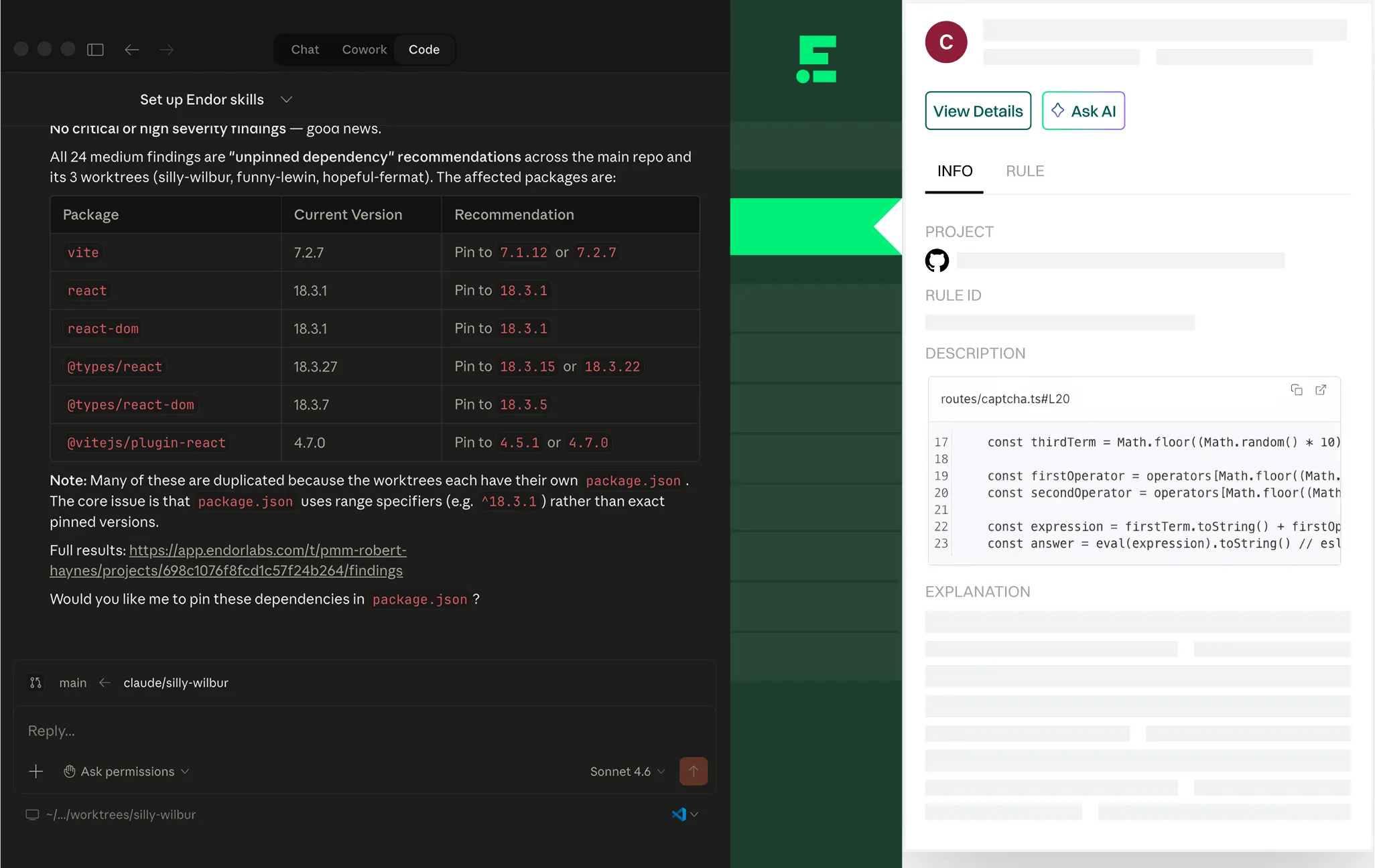
8. Endor Labs

Best for: Reachability-ranked upgrades and patches for hard-to-fix libraries
Strengths: Upgrade Impact Analysis, Endor Patches, bundled remediation PRs
Things to consider: UI/UX and API coverage still maturing; setup can be fiddly
Endor Labs approaches remediation in three stages: confirming a vulnerability is reachable and likely to be exploited, showing the effort required to upgrade to a non-vulnerable version, and applying a patch when upgrading is not practical. Its scanning treats source code as ground truth rather than reading manifest files, which surfaces transitive and phantom dependencies that manifest-based tools miss.
Findings are narrowed using layered filters covering production versus test code, fix availability, function-level reachability, exploit probability and severity. Used together these are reported to cut findings by 92%. Where an upgrade is too risky, Endor Patches supply backported fixes applied to the vulnerable version, and transitive dependencies can be patched at build time.
Key features include:
- Upgrade Impact Analysis: Upgrades ranked by complexity and security impact, giving developers a prioritised list instead of manually researching each upgrade path.
- Endor Patches: Backported security fixes applied to the vulnerable version, keeping the application protected while an upgrade is planned or when upgrading is not viable.
- Automated remediation pull requests: Related fixes bundled into pull requests so more findings are resolved per upgrade.
- Function-level reachability: Analysis of whether a vulnerable function is actually callable in the application, traced across direct and transitive dependencies down to the specific function.
- Layered prioritisation filters: Findings filtered by whether the code is in production rather than test, whether a fix is available, reachability, EPSS exploit probability and CVSS severity.
- Complete dependency inventory: Direct, transitive and phantom dependencies discovered by scanning source code, with AI models and services inventoried alongside open-source libraries in a single SBOM.
- Build-time transitive patching: Transitive dependencies patched during the build process when a version upgrade is not practical.
- Compliance artifacts: SBOM and VEX documents exported to meet FedRAMP, PCI DSS and other regulatory requirements.
Limitations (as reported by users on G2):
- Interface and access control: The user experience is described as needing refinement, including how users authenticating through a custom identity provider are displayed in access control.
- API and console parity: Reviewers want more API capabilities exposed through the console, such as setting a default monitored branch without the CLI.
- Setup experience: Onboarding a project could be simpler, with clearer error messages when a project’s dependencies fail to be analysed.
- Scan performance: Scan times on larger repositories are noted as an area to optimise.
- Integrations: The Jira integration is cited as needing further work.
- Vendor maturity: The company was founded in 2022, which some reviewers weigh when depending on a relatively new vendor for security and compliance.
Source: Endor Labs
Conclusion
Automated library remediation helps development and security teams move from identifying vulnerable dependencies to applying and validating fixes. Effective solutions combine accurate dependency discovery, contextual risk prioritization, reachability analysis, upgrade guidance, compatibility checks, and automated pull requests so developers can address open-source risk without manually researching every finding. The strongest remediation workflows also verify that proposed changes build successfully, pass tests, and actually remove the vulnerable dependency before merge, reducing both security exposure and the risk of introducing regressions.